Image / Space
Ferrari SF90Stradale
A fully virtual automotive film exploring how lighting and reflection give a digital Ferrari a convincing luxury presence.
Watch the commercial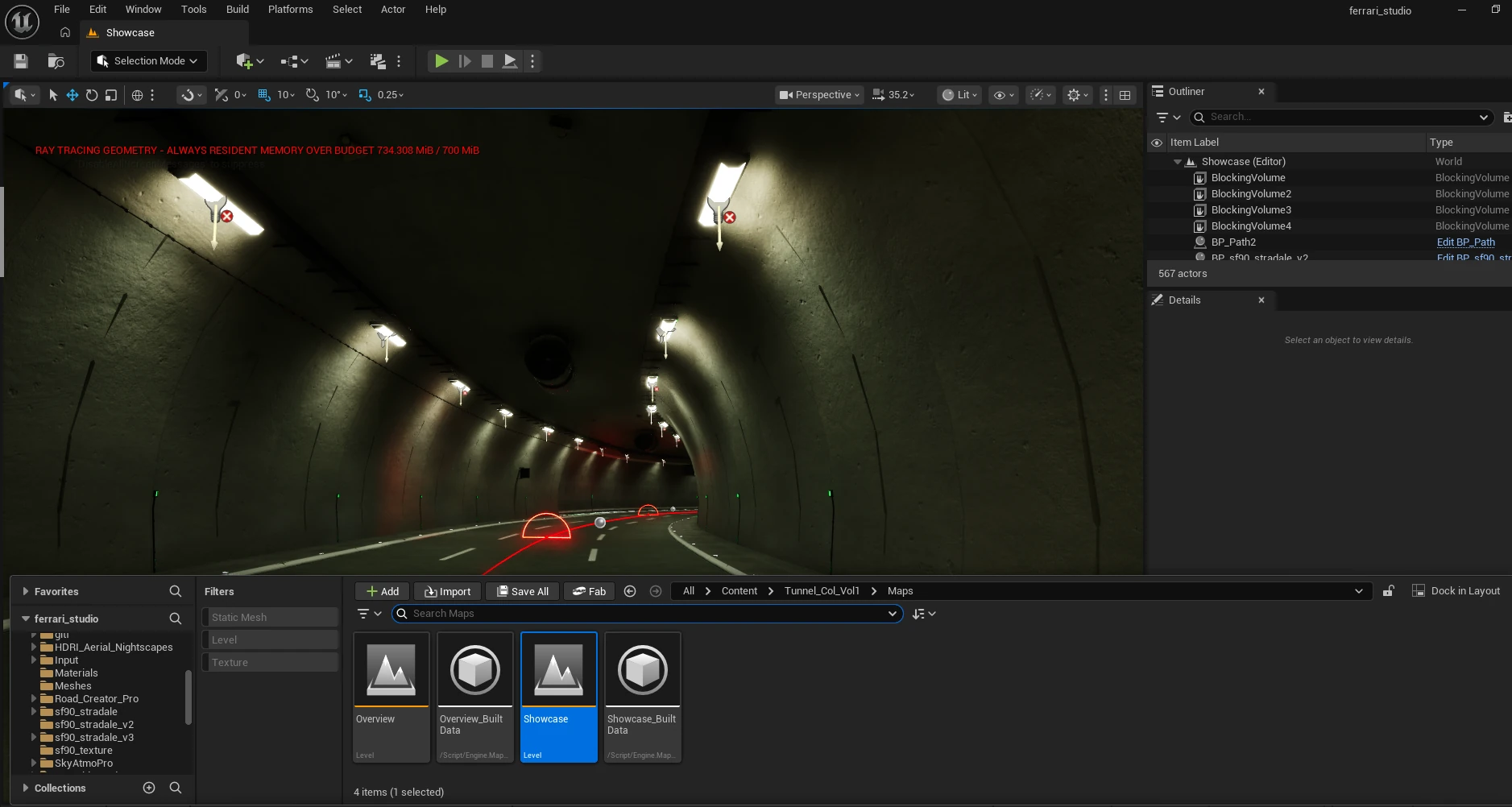
Virtual production Material presence
Overview
Ferrari SF90 Stradale is a fully CG sports car commercial built in Unreal Engine 5. Lighting, reflections, and cinematic environments present the vehicle as a luxury object without a physical car shoot.
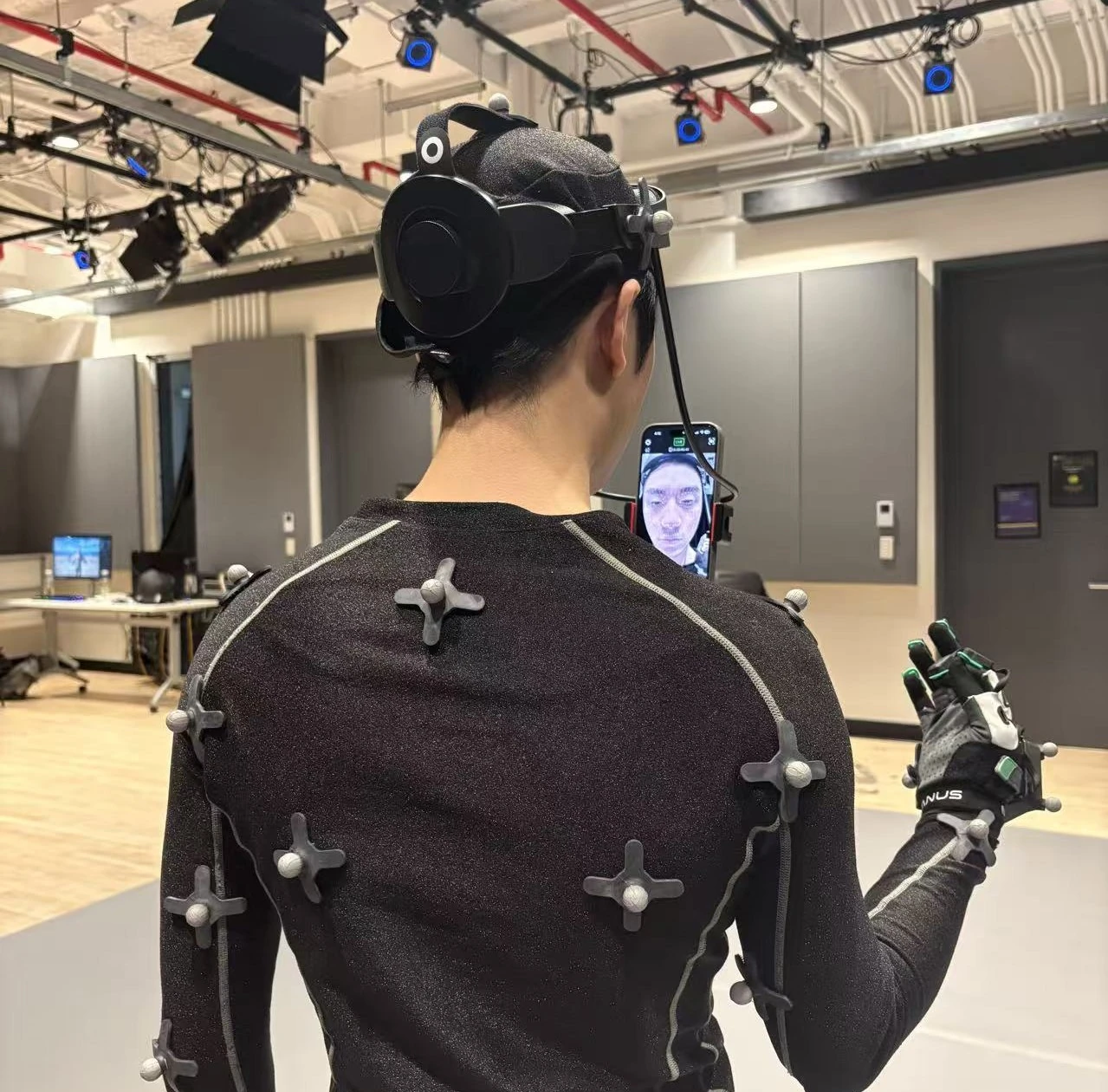
I contributed to environment lighting and motion capture within a three-person team. My focus was supporting the car’s form and material presence through illumination, with captured human movement playing a secondary role.
The completed Ferrari SF90 Stradale commercial.
The challenge
How can a fully virtual production make a digital sports car feel physically convincing and unmistakably luxurious?
- 01
The digital car must feel physically convincing without a physical shoot.
- 02
Lighting and reflections must reveal the bodywork while maintaining visual restraint.
- 03
Supporting environments and motion must keep attention on the vehicle.
Key design decisions
Light the form, not the whole scene
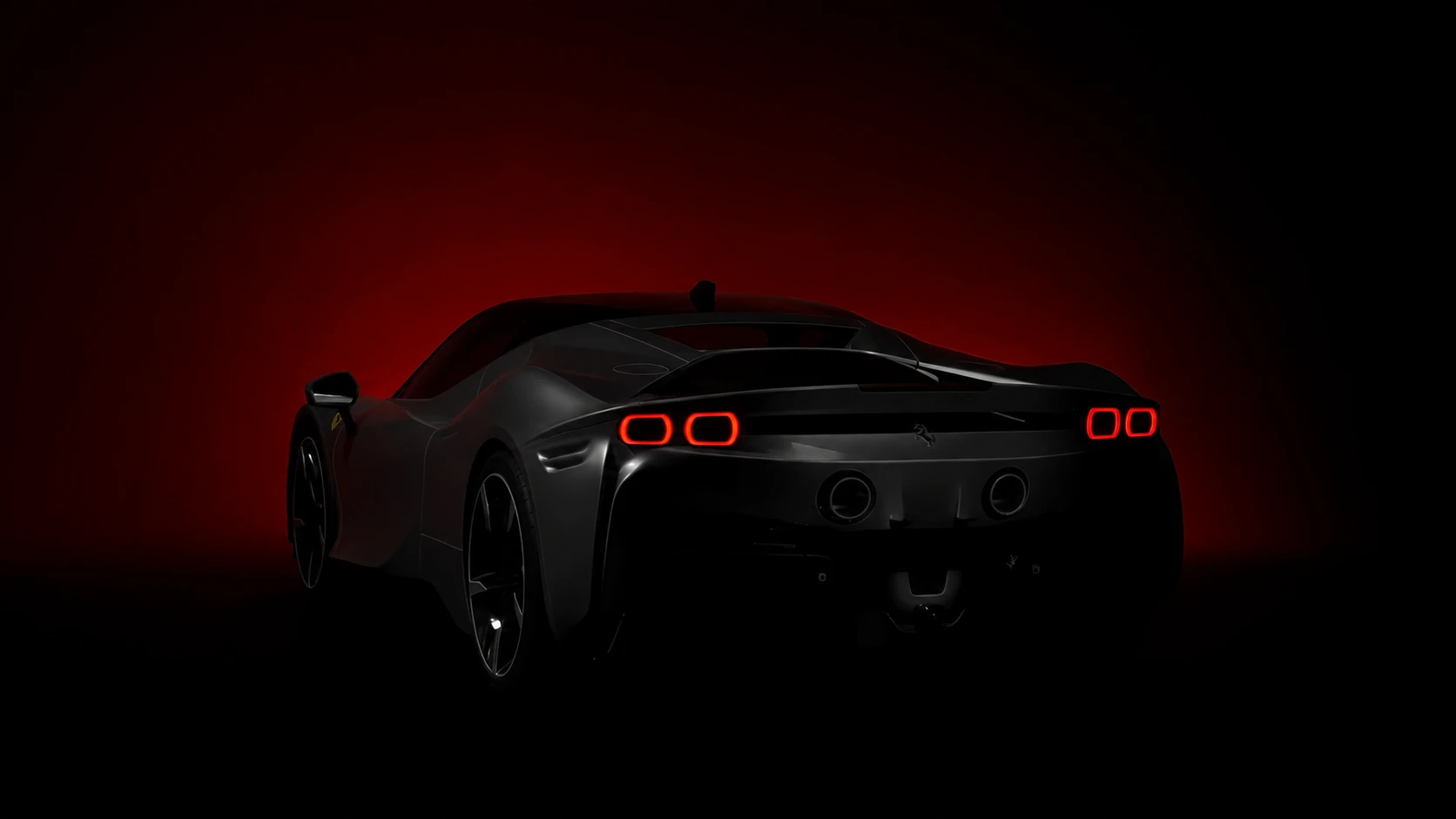
I used controlled highlights and areas of darkness to reveal the SF90 through its silhouette, body lines, and reflective surfaces. The car remains visually legible without losing the restraint and contrast associated with luxury automotive imagery.
Design environments around reflection
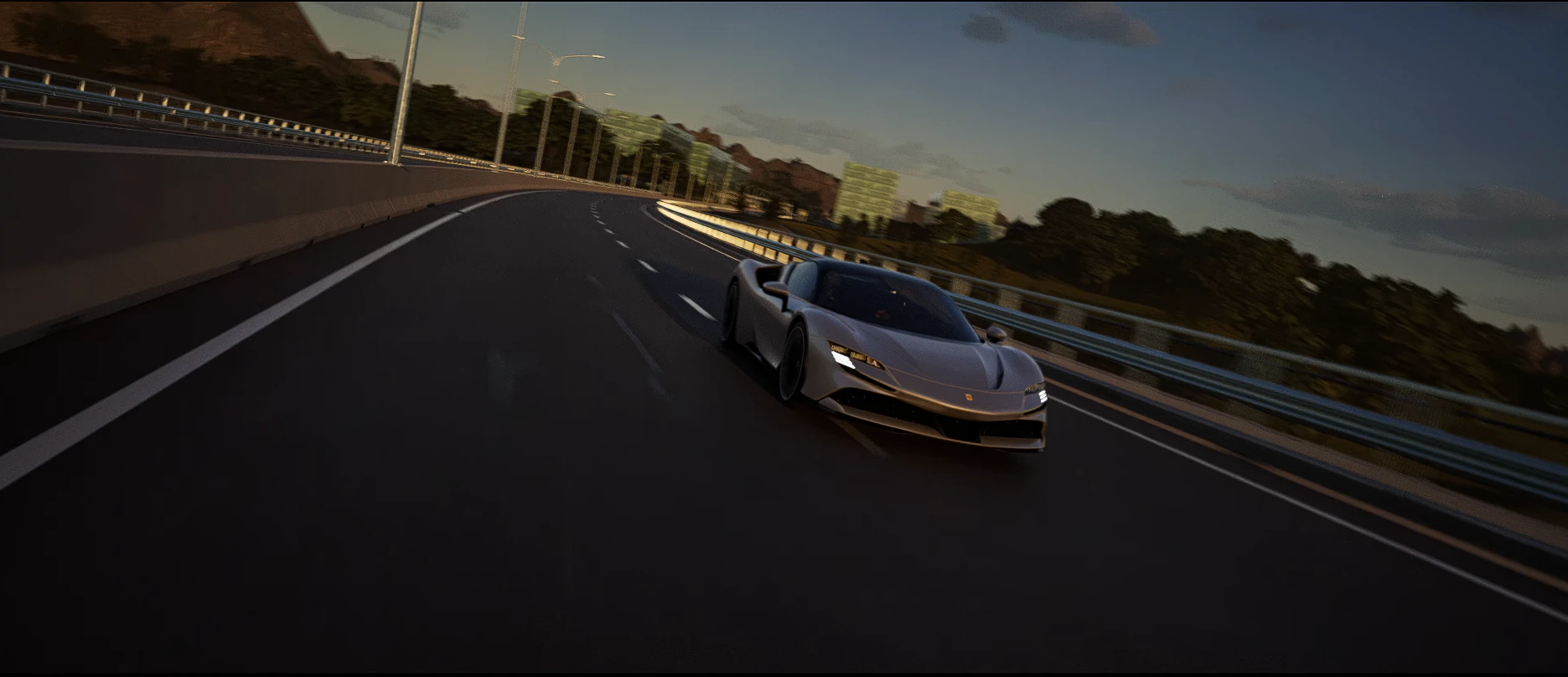
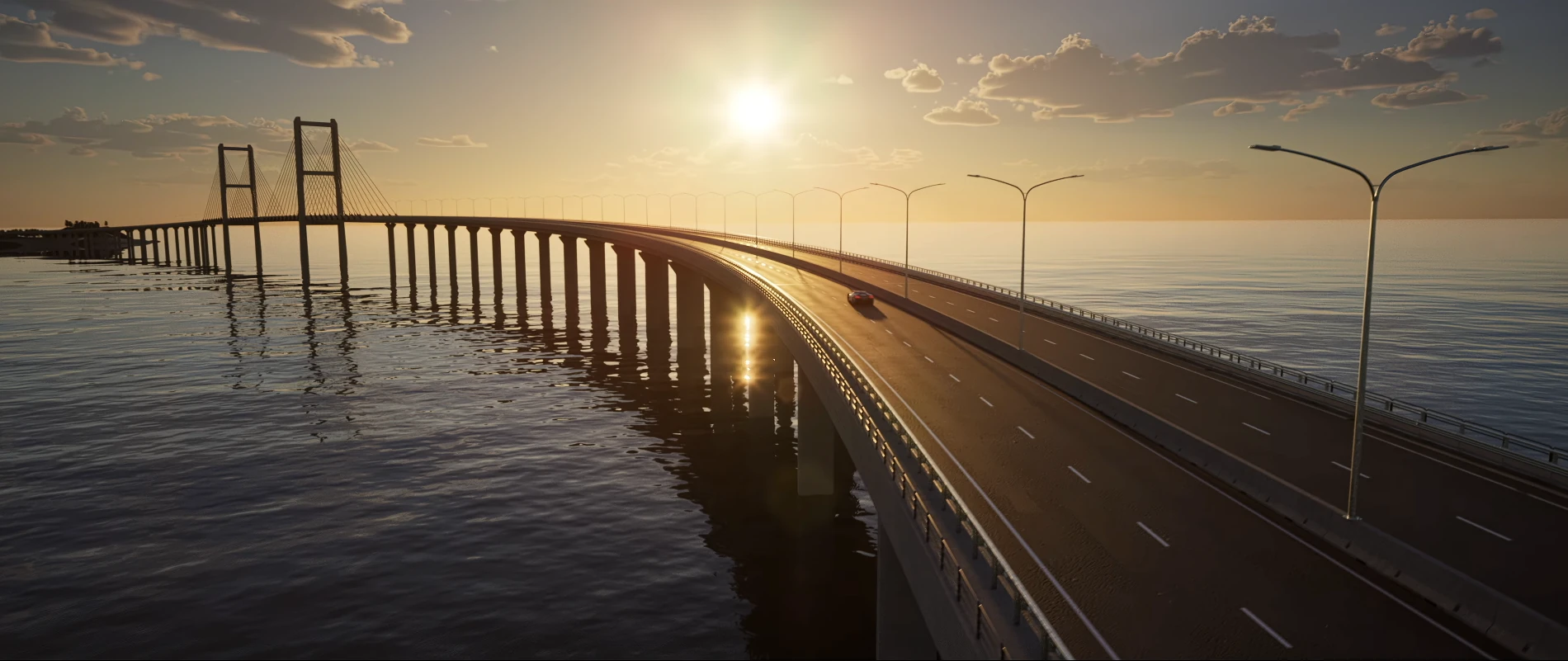
The bridge, highway, and tunnel were treated as lighting systems as much as locations. Their architecture creates moving bands of light and reflection across the bodywork, giving the digital vehicle scale, speed, and material presence. I applied HDRI to create realistic reflection on the car’s surface.
Use captured motion selectively
Motion capture supported the human movement in the production without becoming the visual focus. Keeping it secondary allowed the commercial to suggest a physical world around the car while maintaining attention on the vehicle, camera language, and lighting.
Production review
- The film felt polished and visually convincing.
Viewers described the finished piece as a polished, fully realized automotive commercial. Feedback highlighted the realism of the lighting, environments, and materials, aligning with the production’s goal of giving a digital vehicle a convincing physical presence. - The editing and cinematic quality stood out.
Viewers also responded positively to the editing and the film’s cinematic feel. These comments were encouraging because the intended result was not simply a realistic car render, but a cohesive commercial with a luxurious visual identity.
Summarized from informal audience feedback; not verbatim quotations or a formal client evaluation.
Next iteration
I would explore selective VFX to strengthen the relationship between the car and its environment, rather than add effects purely for spectacle. Depending on the shot, this could include subtle road dust or atmospheric effects that reinforce movement, depth, and physical presence.
The priority would be to preserve the restrained visual direction. I would compare versions with and without each effect, assessing whether it supports the car’s form and the shot’s intended mood—or distracts from them.
Outcome
A completed CG automotive commercial produced in Unreal Engine 5 within a three-person team, with my contribution focused on environment lighting and motion capture.
My main takeaway was that realism and luxury require related but distinct decisions. Lighting and reflections help establish material credibility, while restraint, composition, and visual consistency shape how the vehicle is presented. The project brought these concerns together in a finished cinematic piece.
Completed CG automotive commercial